Our Story | Local Ownership & Community Stewardship | The Indus River Camp
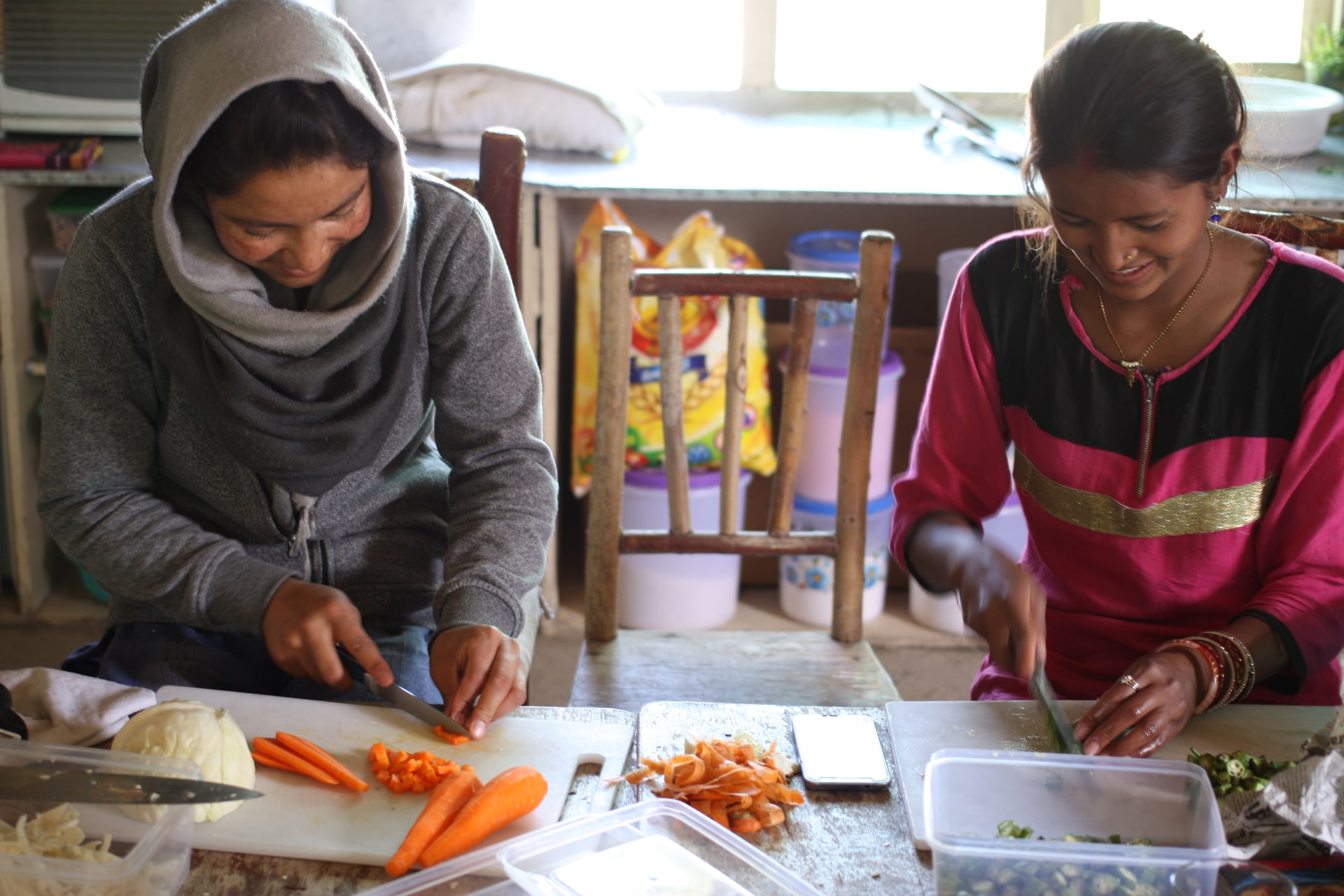
Staff preparing food in kitchen

The land that The Indus River Camp sits on is owned by the Indus Welfare Society, a local organisation of Buddhist villagers from the village of Chuchot Yokma. Three of its members shaped the property into what it is today: Angchuk, Namgyal and Skarma.

The camp is managed by Jigmet, and we run it as a family, on principles of equality. We ask that our guests remain polite to staff and to one another, regardless of nationality, caste and religion. What follows is the heart of this place: the story of the land, our environment and the way we try to look after both.
Environment

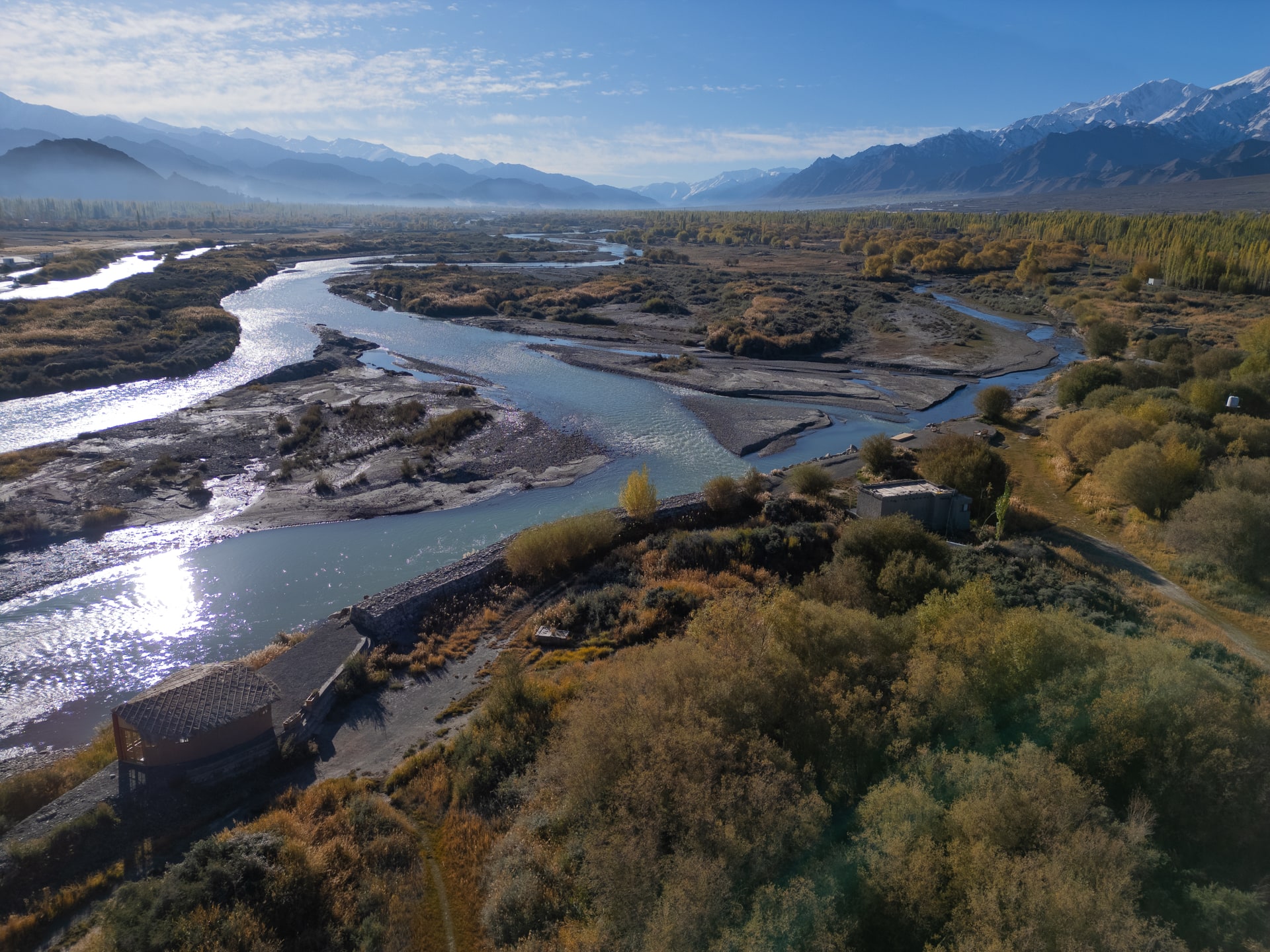
Property and landscape view

In the midst of this area of natural vegetation and with minimum disruption to the land, we have managed to find sympathetic space for a stay in several rooms, activities and a dining hall. Many small animals and birds depend on the land. We strive to keep in harmony with the wildlife.

We do not use plastic bottles for water. We serve our guests' fresh spring water. For toiletries, we have refillable shampoo and shower gel containers.

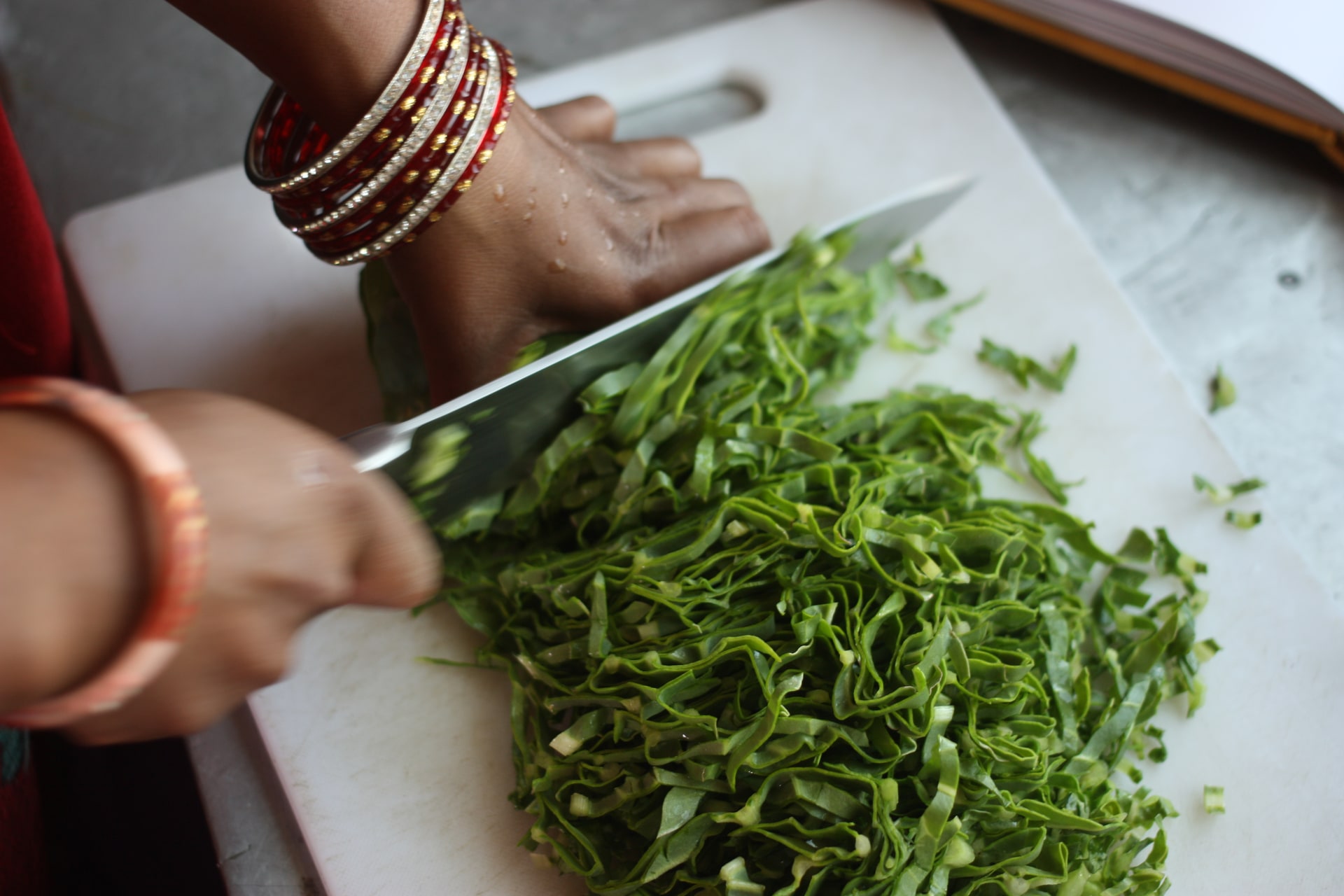
Local produce or kitchen scene

Running a kitchen in Ladakh requires goods that come in single-use plastic. It's tempting, as a hotel, to throw around words like sustainable, eco-friendly and plastic-free without any thought to their actual meaning.

We try to be transparent in our attempts to be sustainable, and honest where it's not as easy as it seems, or where we need improvement.

We welcome and encourage any help or suggestions to how we can improve our camp in this regard, or suggestions at working with local communities.

To understand more about the environmental challenges that Leh faces with increased tourism, please read this article.