
A Practical Guide to High-Altitude Travel in Ladakh
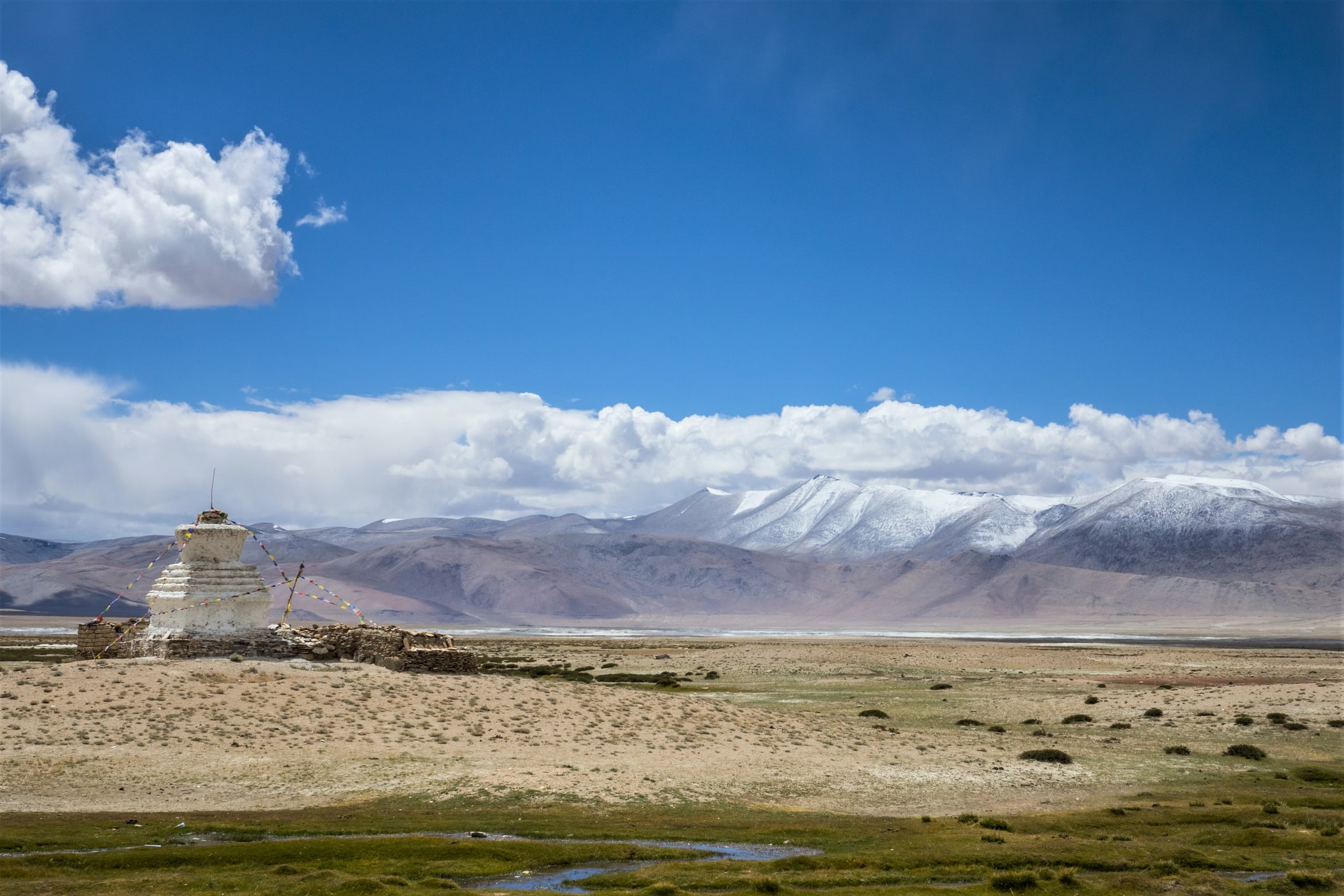
Ladakh sits on the roof of the world. Flying here from sea level means a sudden transition to 3,500 metres, and your body needs time to adjust.
This guide covers what to expect, how to prepare, and why our location in the Indus Valley can help ease the transition.
For complete travel planning, see our logistics page or contact us directly.
Leh sits at 3,500 metres (11,500 feet) above sea level. At this altitude, there is roughly 40% less oxygen than at sea level. Your body can adapt to this, but it needs time.
Acute Mountain Sickness (AMS) is a genuine risk that does not discriminate by age or fitness level. In fact, it is often the fittest individuals who suffer most, as they tend to underestimate the altitude and push too hard too soon.
Symptoms typically appear 6-24 hours after arrival at altitude. Most people experience at least mild symptoms, which usually resolve within 24-48 hours as the body adjusts.
When to Seek Medical Help
If symptoms worsen significantly or include confusion, loss of coordination, severe headache unrelieved by medication, or difficulty breathing at rest, seek medical attention immediately. Leh has a hospital with experience treating altitude-related conditions.
The Indus River Camp is situated in the Indus Valley at approximately 3,300 metres elevation, roughly 200 metres lower than Leh city centre.
While this difference may seem modest, at high altitude every metre matters. The slightly lower elevation means marginally more oxygen available with each breath. This can make a tangible difference, particularly during sleep when breathing naturally slows and oxygen levels dip.
Beyond elevation, the peaceful riverside setting provides an ideal environment for rest. Acclimatization happens best when you are relaxed, hydrated, and sleeping well. Our quiet location away from Leh's bustle, combined with access to fresh Himalayan spring water, supports this recovery process.
Note: We are a 20-minute drive from Leh, close enough for easy access to the town and medical facilities, but removed from the noise and activity that can make resting difficult.
How you spend your first 48 hours significantly impacts your entire trip. Rushing into activity is the most common mistake visitors make.
Day 1: Rest Completely
Day 2: Light Activity Only
Day 3 Onwards: Gradual Increase
The structure of your trip matters as much as its length. A well-planned itinerary respects your body's need to adjust before challenging it with higher altitudes.
The Golden Rule: Never ascend to sleep at a higher altitude if you are experiencing symptoms. Wait until you feel better before going higher.
Recommended Approach:
Start with low-altitude experiences in the Indus Valley. The area around Leh, including Alchi, Likir, and the camp itself, sits at manageable elevations. Spend your first days exploring here before venturing to higher destinations like Pangong Lake (4,350m) or Tso Moriri (4,522m).
If you plan to trek, factor in additional acclimatization days. Trekking routes often involve significant altitude gains, and proper preparation is non-negotiable.
We are happy to help structure your itinerary to maximize both acclimatization and experience. Many guests find that a thoughtfully paced trip actually allows them to see and do more, as they feel well throughout rather than struggling with symptoms.
Diamox (Acetazolamide) is commonly used to prevent and reduce symptoms of altitude sickness. It works by acidifying the blood, which stimulates breathing and increases oxygen intake.
If you are considering Diamox, please consult your doctor before travel. They can advise on appropriate dosage, potential side effects (including increased urination and tingling in extremities), and whether it is suitable given your medical history.
Typical usage involves starting 1-2 days before arrival at altitude and continuing for the first few days of your stay. This is not medical advice, only a general observation of common practice.
Other Preparation Tips
We understand that your first days in Ladakh set the tone for your entire trip. Our aim is to make acclimatization as comfortable as possible.
Location: Our position 200 metres below Leh provides a slight but meaningful advantage for adjustment, while remaining close enough for easy access to the town.
Hydration: We provide fresh Himalayan spring water to all guests, supporting the high fluid intake essential at altitude.
Rest: Our riverside setting is quiet and peaceful, ideal for the restful sleep that accelerates acclimatization.
Meals: We can prepare light, easily digestible meals on request for guests who prefer to eat simply during their first days.
Flexibility: We help plan day trips and activities that respect your body's adjustment timeline, ensuring you do not overexert too early.
Local Knowledge: Our team has decades of experience hosting guests at altitude. We are happy to answer questions, offer advice, and help you make the most of your time here.
If you have any concerns or specific needs, please reach out before your arrival. We are here to help.
Let us help you create an itinerary that gives you time to adjust and experience Ladakh at its best.
View Itineraries